What Grandma's Garden Knows About Your Kid
June 8, 2026 · 7 min read
There's a particular kind of afternoon that only happens at a grandparent's house. The pace is different. The snacks are different. Someone tells a story that starts with "when your mom was about your age" and suddenly the room goes very quiet, because even the kids can feel that something real is being handed to them.
Summer tends to be when those afternoons happen most. School is out, schedules soften, and families travel to see the people who live a little farther away. If your child is visiting a grandparent this season, or one is coming to stay with you, it's worth paying attention to what unfolds. The material for a remarkable book is almost certainly already there.
The Garden as a Story
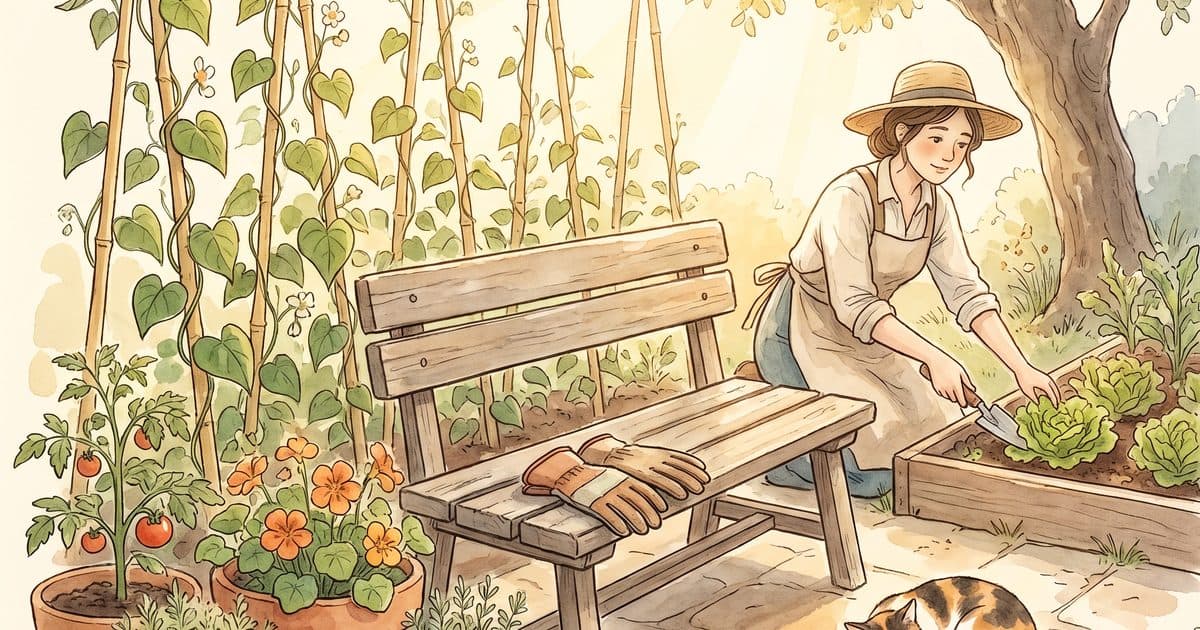
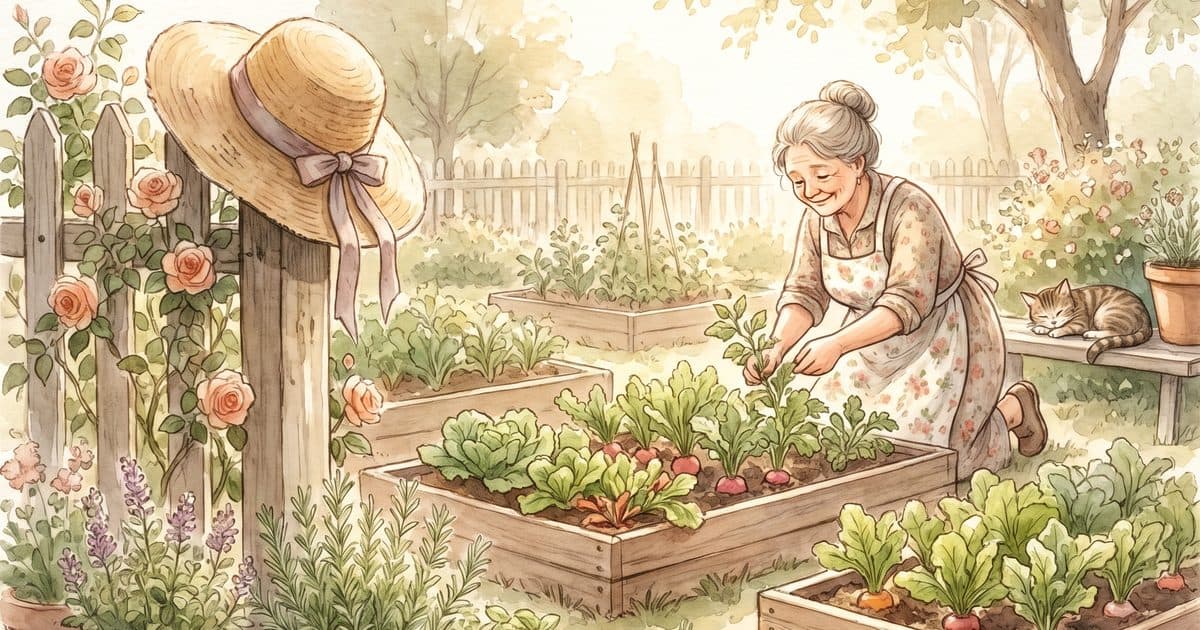
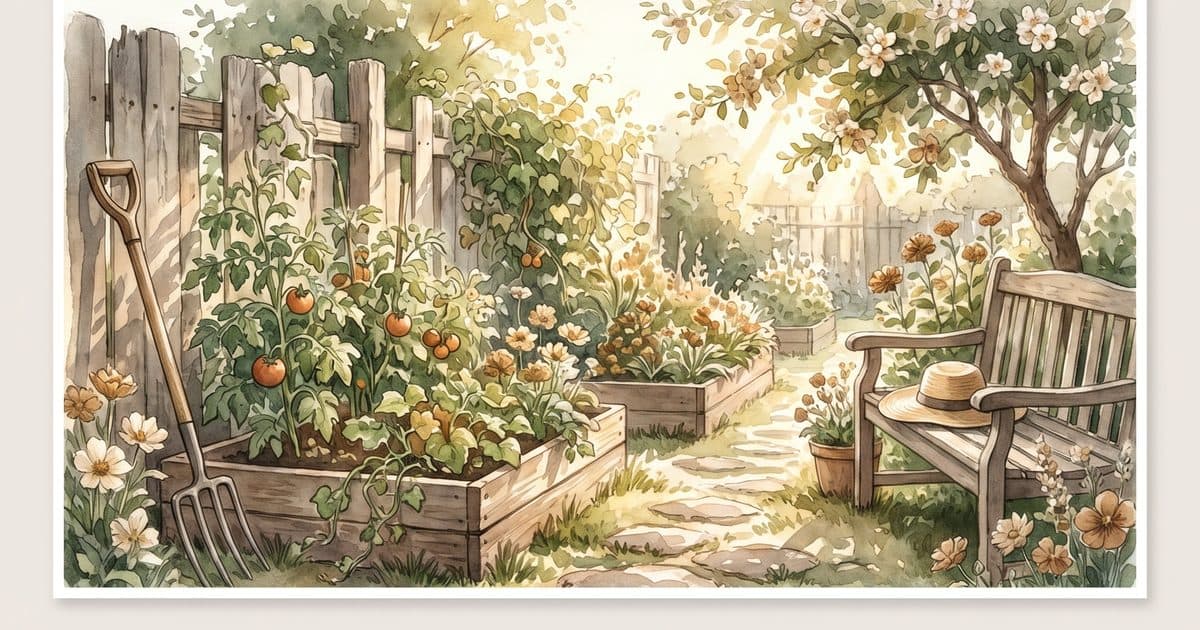
Many grandparents keep a garden. It might be a modest strip of herbs on a windowsill, a few tomato cages out back, or a proper plot with rows and stakes and a composting system that has its own logic. Whatever the scale, that garden is a record of something: decades of preference, of trial and error, of knowing which spot gets the best afternoon light.
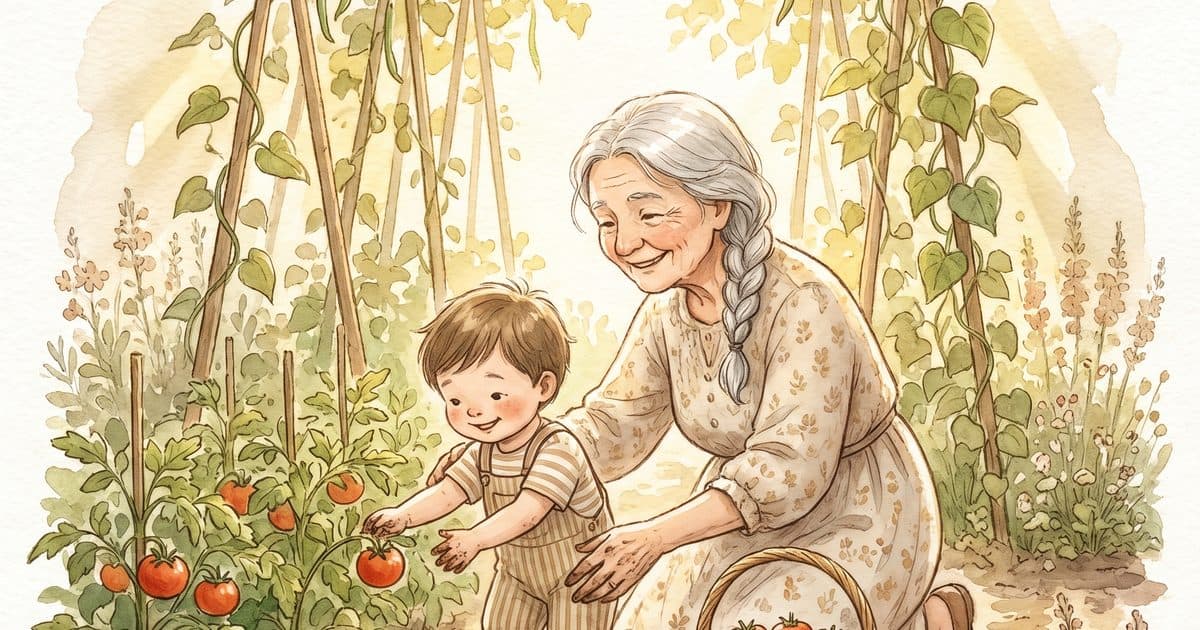
When a child helps out there, even just by carrying a watering can or poking seeds into soil, they're stepping into a small world that belongs entirely to someone they love. That's the kind of specific, grounded detail that makes a story feel true. A book character who tends her roses every morning before breakfast, or who grows the same variety of beans her own grandmother grew, carries a kind of quiet weight that a child notices even if they couldn't say why.
Think about what your child actually does in that garden space, not just watches but touches and smells and asks about. Those sensory details, the scratch of a terracotta pot, the sharp smell of tomato leaves, the sound of water hitting dry soil, are exactly the kind of thing that makes an illustrated story feel like a real place a child has been.
Recipes Are Stories Too
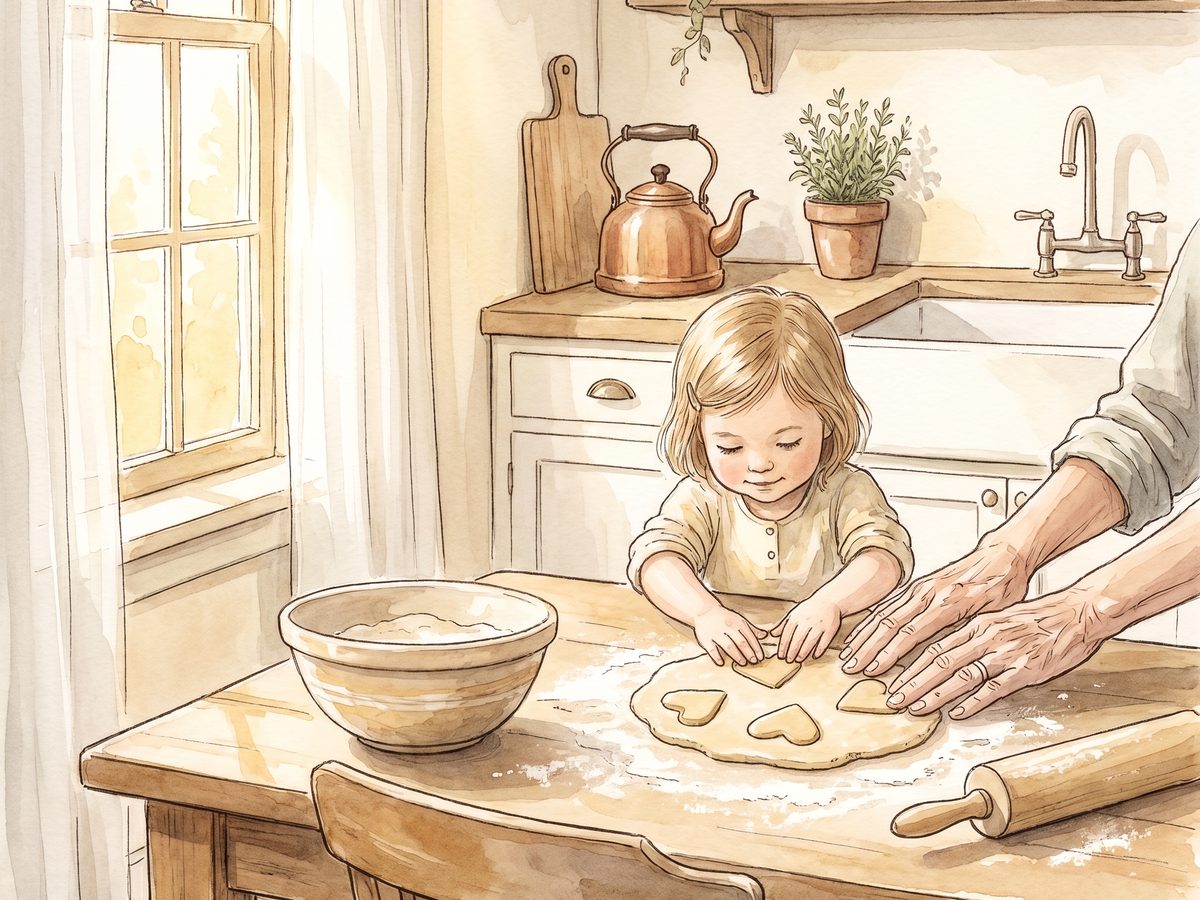
Every family has at least one dish that exists almost entirely in someone's memory. No recipe card, no measured cups, just a hand that knows when the dough feels right or when the sauce has cooked long enough. Your child may already know this dish by name, may already love eating it, but they probably don't know the full story behind it.
Where did it come from? Did a great-grandparent bring it from somewhere far away? Did it get invented out of necessity during a lean year? Is it only made for birthdays, or only in summer, or only when the whole family is together? Those answers are the kind of thing a grandparent will share if someone thinks to ask, and a summer visit is one of the best possible occasions to sit down in the kitchen and let the conversation happen naturally.
A personalized storybook can weave in that kind of family-specific detail in a way that feels completely natural. A character who makes her famous plum cake, or who has a special way of folding dumplings, or who always burns the first pancake on purpose so the pan is ready: these details make a book feel like it belongs to your family alone, because it does.
Stories Told on the Couch
Some of the best grandparent storytelling doesn't happen at a table or in a garden. It happens on a couch, or a porch swing, or in a car on the way somewhere. It tends to start sideways, prompted by a photo on the wall or a smell coming from the kitchen or something a child says that reminds the grandparent of something else entirely.
The stories worth keeping are rarely the ones that were planned. They arrive the way summer rain does: suddenly, and exactly when you didn't know you needed them.
Children absorb these moments even when they seem distracted. They're building an image of the people they come from, a sense of where their family has been and who it has included. A book that echoes those stories, even loosely, makes the whole web feel a little more solid and a little more permanent.
If you want to help the stories surface, you don't need to conduct an interview. Just bring a child, let them ask their own questions, and stay close enough to listen. Kids ask the most direct questions of anyone, and grandparents, when talking to grandchildren, often answer more honestly than they would with anyone else.
What to Notice Before the Visit Ends
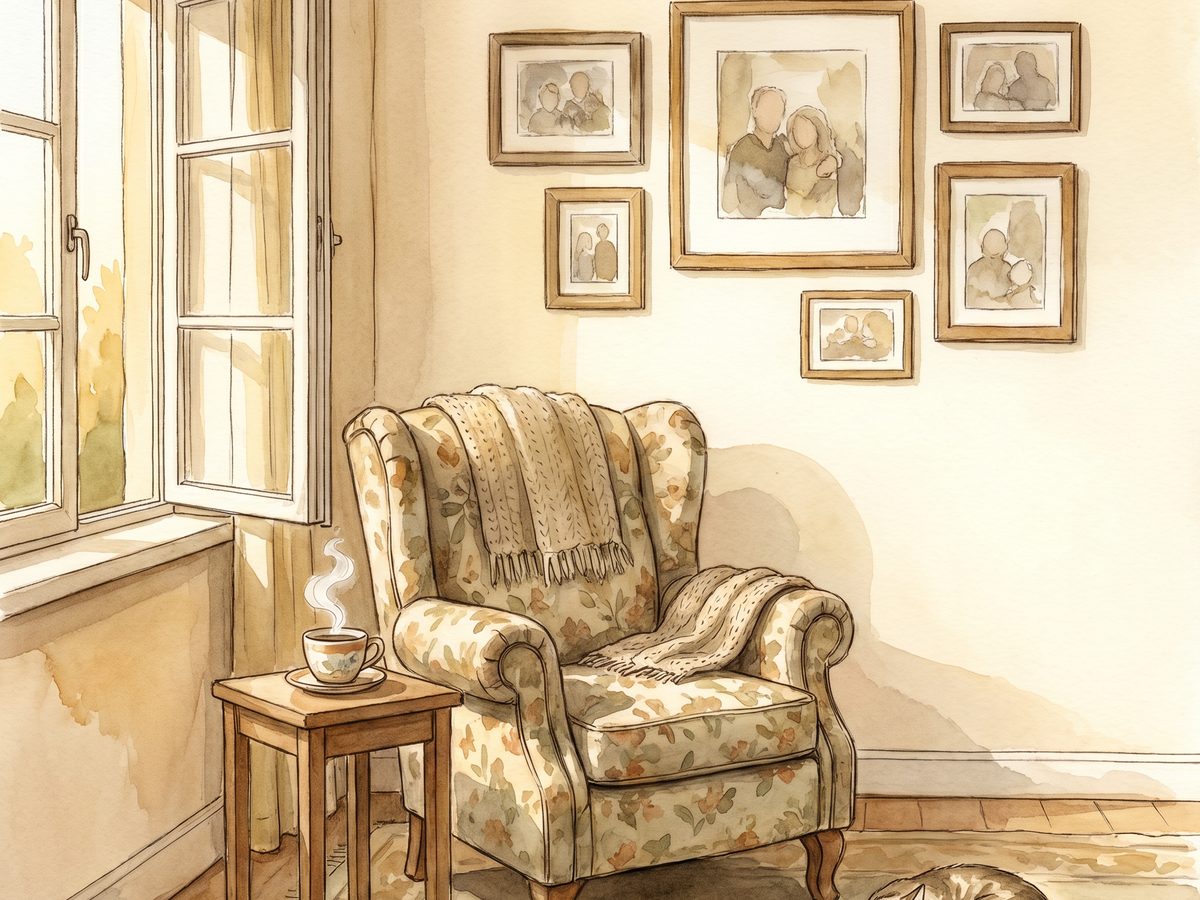
You don't need to plan anything formal to gather good material from a visit. You mostly need to slow down enough to notice what's already there. Here are some small things worth paying attention to before a visit wraps up:
- What does your child call this grandparent, and is there a story behind that name?
- What's the first thing the grandparent does when your child arrives, every single time?
- Is there a particular chair, a particular mug, a particular spot in the house that seems to belong to them?
- What do they do together that they don't do anywhere else, with anyone else?
- What's one thing the grandparent has said that your child has repeated back to you later, unprompted?
These small observations become the texture of a great book character. Not a general grandparent, but this one, with her specific laugh and her particular way of keeping the good scissors in a teacup on the desk. Specificity is what makes a reader feel seen, and it's what makes a child want to hear a story again and again.
Building the Book from What You Already Have
One of the things people sometimes worry about when making a book like this is that they don't have enough material, or that their family's stories aren't interesting enough. Both worries are almost always unfounded. The bar for a meaningful story is much lower than people expect. A grandparent who makes the same breakfast every single morning, without variation, without question, is already a character worth knowing on the page.
You build the characters by describing the real people: their habits, their phrases, their relationship with your child. You don't need to invent drama or adventure, though a book can certainly include some. The warmth comes from recognition. A child who sees their grandmother's garden in a story, or hears a character tell a joke in exactly the way their grandfather tells jokes, feels something that's hard to name but very easy to notice.
If you're thinking about making a book for a grandparent, or starring one, a summer visit is genuinely one of the best times to start. The details are fresh, the relationship is active, and your child is at an age right now that won't come back. Whatever the visit looks like, some piece of it is worth keeping.
A Keepsake That Goes Both Ways
It's worth saying that a book like this isn't only for the child. Grandparents who receive a book starring themselves, built from real details a grandchild noticed and loved, tend to keep it somewhere visible. On the coffee table, on the nightstand, on the shelf nearest the chair they always sit in. It becomes a record of the relationship from the child's point of view, which is something a grandparent can't get any other way.
The features that go into each book are designed to hold that kind of specificity: the character portraits, the settings, the small objects and scenes that make a story feel rooted in a real life. None of it requires the visit to have been extraordinary. It just requires someone to have paid attention, which you're probably already doing.
So let the visit happen as it's going to happen. Let your child water the tomatoes and eat the good food and fall asleep on the couch while someone tells a story. And when it's over, if you want to make something that holds a little of it still, the door is open whenever you're ready to start.
Make a Book of Your Own
Start with one moment and the people in it. We write and illustrate the rest.
Start a Book