The Same Grandmother, in Two Different Books
6 de julio de 2026 · 5 min de lectura
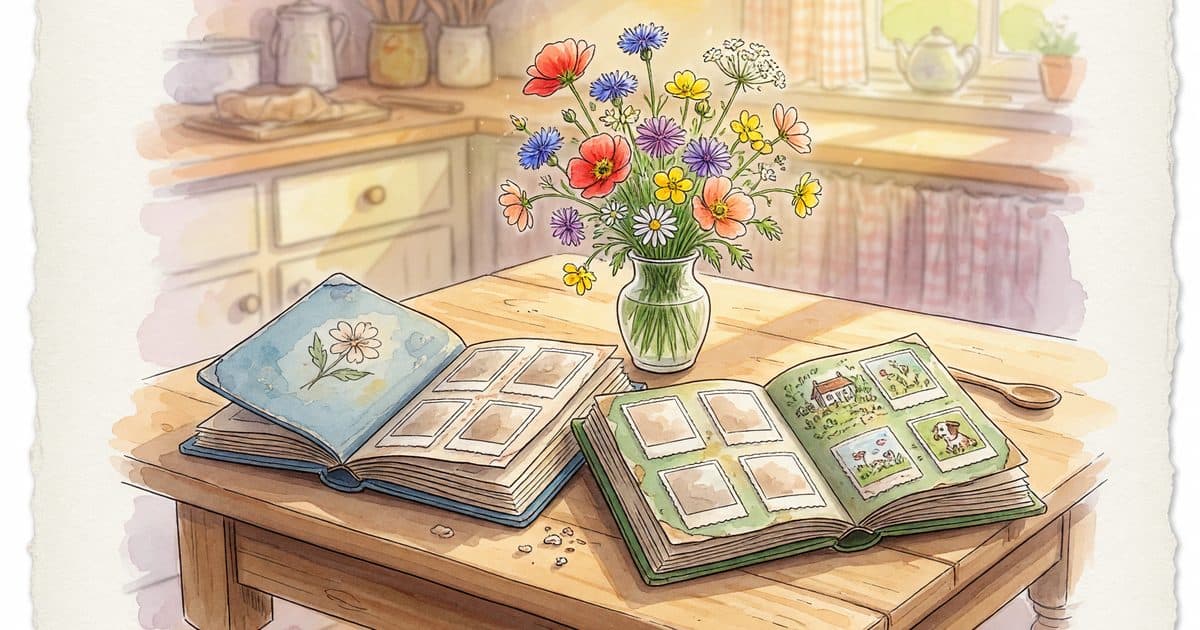
Think about the people at the center of your family. A grandmother, maybe, with her particular way of stirring a pot. An uncle who tells the same fishing story every July. A dog who belongs, officially, to one house but somehow greets every cousin like they live there too. These people and pets don't sit inside a single household. They stretch across several.
So it always felt a little strange to us that a story about them would belong to just one family. That's why, when you build a character with us, you can share it. The same grandmother can walk into two different families' books. Here's why that small idea turns out to be a warm one.
Love rarely lives in one house
A grandmother is a grandmother to more than one grandchild. She has favorites she'd never admit to and inside jokes with each of them, and she shows up at every birthday, every hospital visit, every ordinary Sunday. The children who love her live in different towns, sometimes different countries. Their memories of her overlap and diverge in ways that are lovely to notice.
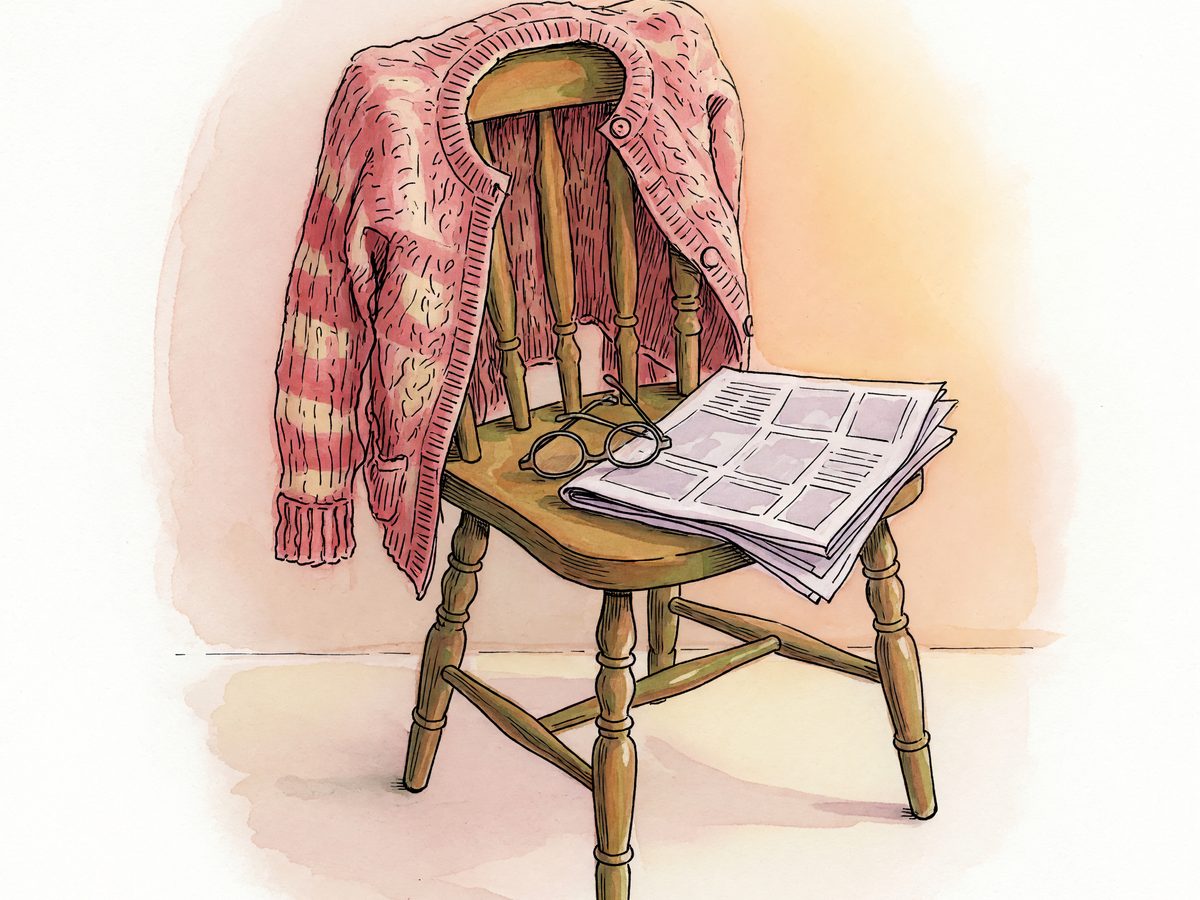
When one branch of the family makes her into a character, that likeness doesn't have to stay put. It can travel to a cousin's house and star in a book shaped by their memories instead. Same soft cardigan, same reading glasses on a chain, same warm face on the page. A different story wrapped around her.
There's something honest about that. It matches how the person actually exists in the world: one beloved figure, held by many people at once, remembered a little differently by each of them. A shared character lets a book tell the truth about that.
How sharing a character actually works
The idea is simpler than it sounds. When you create a character, you and your family approve the way it looks: the face, the hair, the little details that make it unmistakably them. Once that likeness exists, it can be shared with another person's account, so a second family can build their own book around it.
That means the work of getting Grandma just right only happens once. From there, each family takes her in their own direction. A few of the shapes this tends to take:
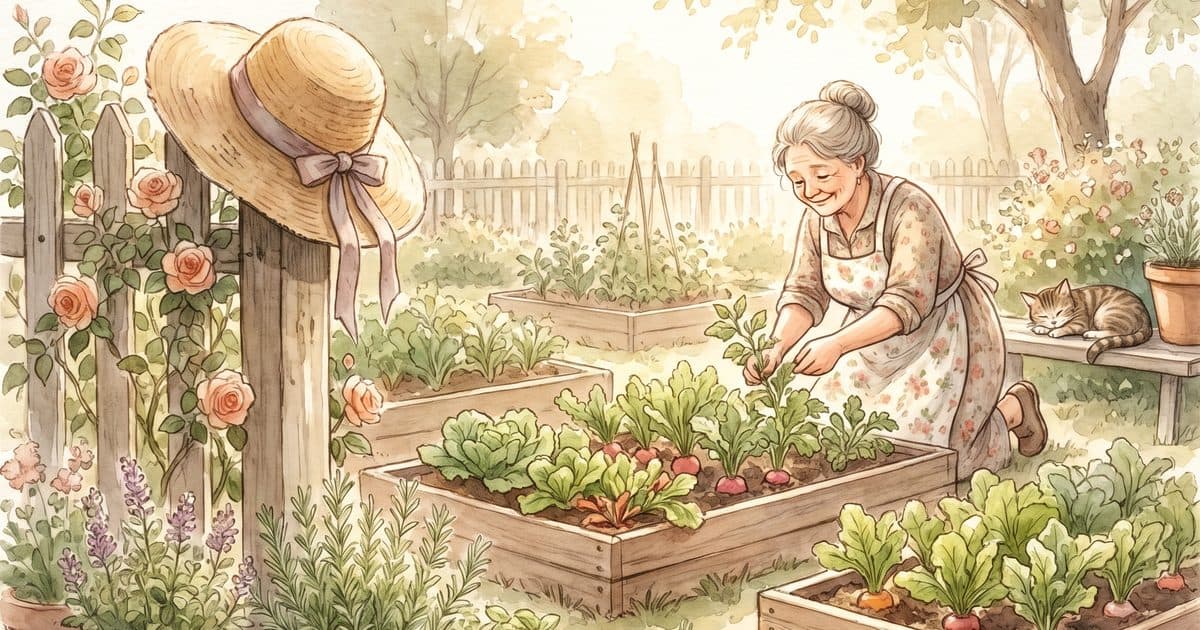
- Two sets of grandchildren each make their own book with the same grandmother, one about her kitchen and one about her garden.
- A family dog appears in the story at your house and again in the story at your sister's house, since he clearly belongs to both.
- Siblings who live apart share a parent character, so each child's book stars the same dad doing different everyday things.
- Cousins coordinate quietly and give the same grandfather a book from each of them for a big birthday.
You can decide how involved you want to be with any of it. Some families take the easy way and tell us who the book is for and a moment worth keeping, and we handle the writing and the pictures. Others prefer the hands-on path and shape every page themselves. A shared character fits both, because the likeness is settled and each family just brings their own story to it. You can see how a finished book reads in a sample.
The same face, two different summers
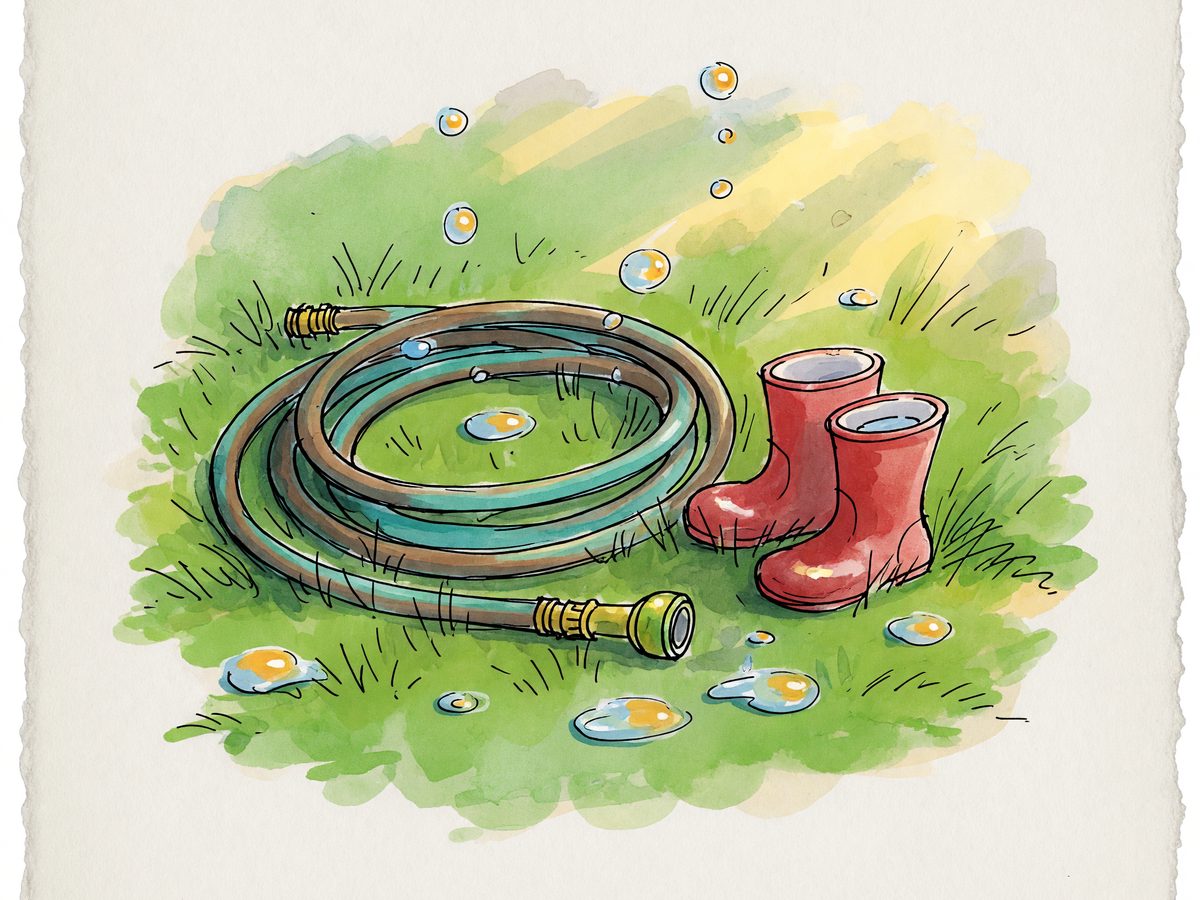
Here's where it gets warm. Picture the same grandmother in two July books. In one, she's teaching a grandchild to shell peas on a back step, the bowl balanced between them, the afternoon long and slow. In the other, she's the one holding the garden hose while a different grandchild runs through the spray, both of them laughing.
It's unmistakably her in both. Same eyes, same easy posture. But the stories are shaped by two different children who each got a different piece of her time. Neither book is more true than the other. Placed side by side, they show a fuller person than either could alone.
We love that quietly. A family isn't one story told from one angle. It's a cluster of stories that lean against each other, each keeping a corner of the same person. Sharing a character is a way of letting those corners exist together without pretending they're identical.
The people we love the most are never held by just one pair of hands.
A gift that goes both directions
There's a practical kindness in this too. When several people want to honor the same grandparent, they don't have to compete for the one true story or negotiate whose version wins. Each household can make its own book and still recognize the same beloved person in all of them.
That's especially gentle around the grandparents in a family, the ones who tend to be celebrated by a whole crowd of grandchildren at once. Instead of one book that tries to speak for everyone, there can be several honest ones, each in a child's own voice, all starring the same familiar face. If you're thinking about a bigger occasion, it's worth a look at the range of gift ideas that a shared character can quietly anchor.
And it works in both directions in time, too. A character you make now can be waiting when a younger cousin is old enough for their own book. The likeness is already there, already approved. When that day comes, the new story slips right onto the same familiar shoulders.
Where to begin if this is tugging at you
You don't need a grand plan. Start with one person, the one whose face came to mind while you were reading this. Notice a single moment you'd hate to forget: the way they hum while they cook, the walk they take at the same hour every day, the greeting the dog gives at the door.
Build that character once, get the details right, and let it be the seed. If a cousin or a sibling wants in later, the door is open. You can start shaping a story whenever you're ready over on the create page, and take it at whatever pace feels calm.
The nicest part is imagining the books side by side someday: the same warm face looking out from each one, every story a little different, every one of them true. That's a whole family's love, kept in a form you can hold and hand down. This July feels like as good a time as any to notice who yours belongs to.
Haz tu propio libro
Empieza con un momento y las personas que hay en él. Nosotros escribimos e ilustramos el resto.
Crear un libro