Este artículo todavía no está traducido, así que lo verás en inglés.
The People Who Watched You Become You
1 de junio de 2026 · 6 min de lectura
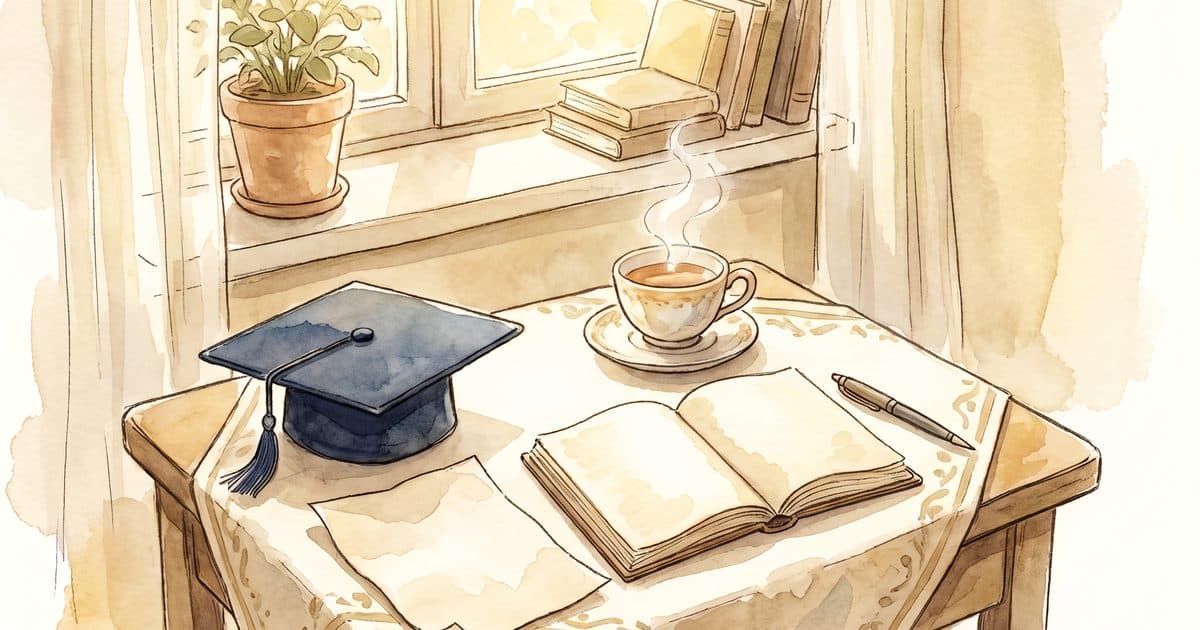
Somewhere between the first day of kindergarten and a June ceremony, something remarkable happens. A person emerges. Not all at once, but in ten thousand small moments that each felt ordinary on their own: the morning they stopped needing help with their shoes, the afternoon they finally read a whole page by themselves, the year they found their people.
The strange thing about milestones is that the people who watched them happen often hold the clearest memory of all. The graduate was busy becoming. The people around them were paying close attention. A graduation book, built from what those people remember, is a way of giving that attention back.
Why this season is worth marking in writing
Graduations already come with ceremony: the cap, the photo, the cake. What they rarely come with is a record of the story. The photos capture a single afternoon. The card might hold two or three warm sentences. But the whole arc of how a child moved through the world, from their first classroom to their last, tends to live scattered in people's memories rather than anywhere you can hold.
That's what makes a book different from a card or a frame. A book has room. It can hold the beginning and the middle and the now. It can hold the voice of a grandmother who remembers the nervous first morning, alongside the voice of a best friend who remembers the year everything clicked. Together, those voices tell a story no single person could tell alone.
And it doesn't have to be a high school graduation to deserve it. A kindergarten milestone is every bit as real. Moving up from primary school carries its own weight. Every graduation is the closing of one chapter and the opening of another, and both things are worth saying out loud.
Starting with the people who were there
The most natural place to begin is with the people who watched the journey. Parents, grandparents, aunts and uncles, older siblings, a beloved teacher or coach. Each of them holds a slightly different version of this child's story, because they were present for different chapters of it.
Ask them a specific question rather than a broad one. Not just "what do you love about them" but "what's a moment you watched them figure something out?" or "when did you first notice how determined they were?" Specific questions produce specific memories, and specific memories are what bring a book to life.
You might be surprised how much people want to say when someone gives them the right prompt. A grandfather who writes two words on a birthday card might write a full paragraph about the afternoon he taught his grandchild to tie a fishing knot. The story was always there. The question just opened the door.
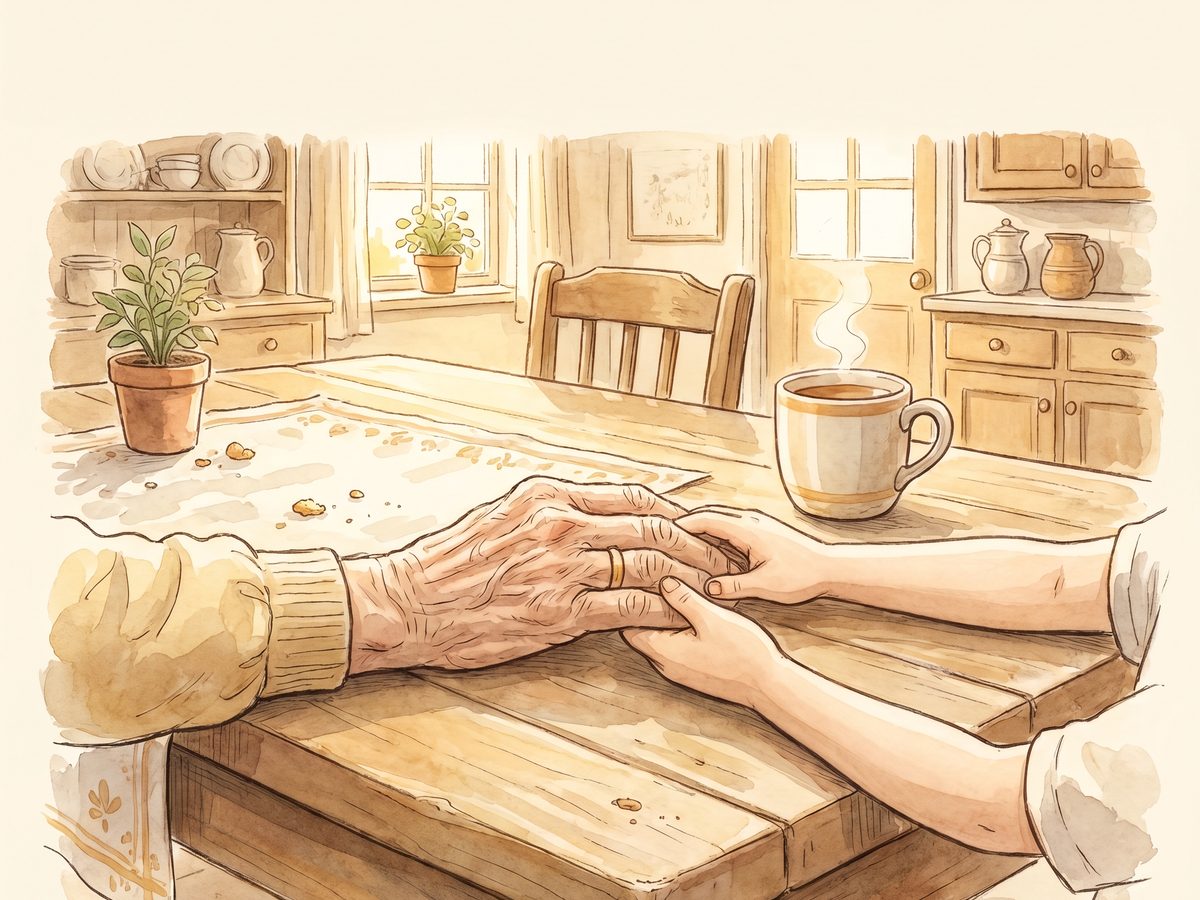
What a graduation book can hold
One of the loveliest things about shaping a book around a milestone is that there's a natural structure already waiting for you: the arc of time. You have a beginning, a middle, and a now. You don't need to force it into a shape. You just follow the years.
Here are some of the moments worth weaving in, whatever the age of the graduate:
- The first day: who was nervous, who was brave, what they wore, what they said when they got home
- A challenge they worked through, told in the words of someone who watched them not give up
- A friendship that mattered, and how it started
- Something they were known for, a phrase they always said or a thing they always did
- A moment when the people around them saw them come into their own
- What the people who love them most are looking forward to watching next
None of these need to be grand. The small and specific details are the ones that last. Years from now, the graduate won't just want to know that people were proud. They'll want to know exactly what their teacher saw on the afternoon she knew they'd be okay.
Gathering it all without it becoming a project
The idea of reaching out to eight or ten people and coordinating their memories can feel like a lot, especially when June is already full. But it doesn't have to be formal. A short message to a handful of people, with a specific question or two, is all you need to start. Most people will write back. Many will write more than you expect.
You don't need to gather everything before you begin, either. You can explore how the process works and get a feel for the shape of a book before you've written a single word. The sample stories are a good place to see how small, real details become something worth keeping.
The person they are right now will only exist for a little while. That's worth writing down.
If you're making a book with contributions from several people, it helps to give yourself a little lead time, not weeks of planning, just enough to send a few messages and let the responses arrive. The actual building of the book, choosing which moments to include and how to arrange them, tends to come together quickly once you have the material in hand.
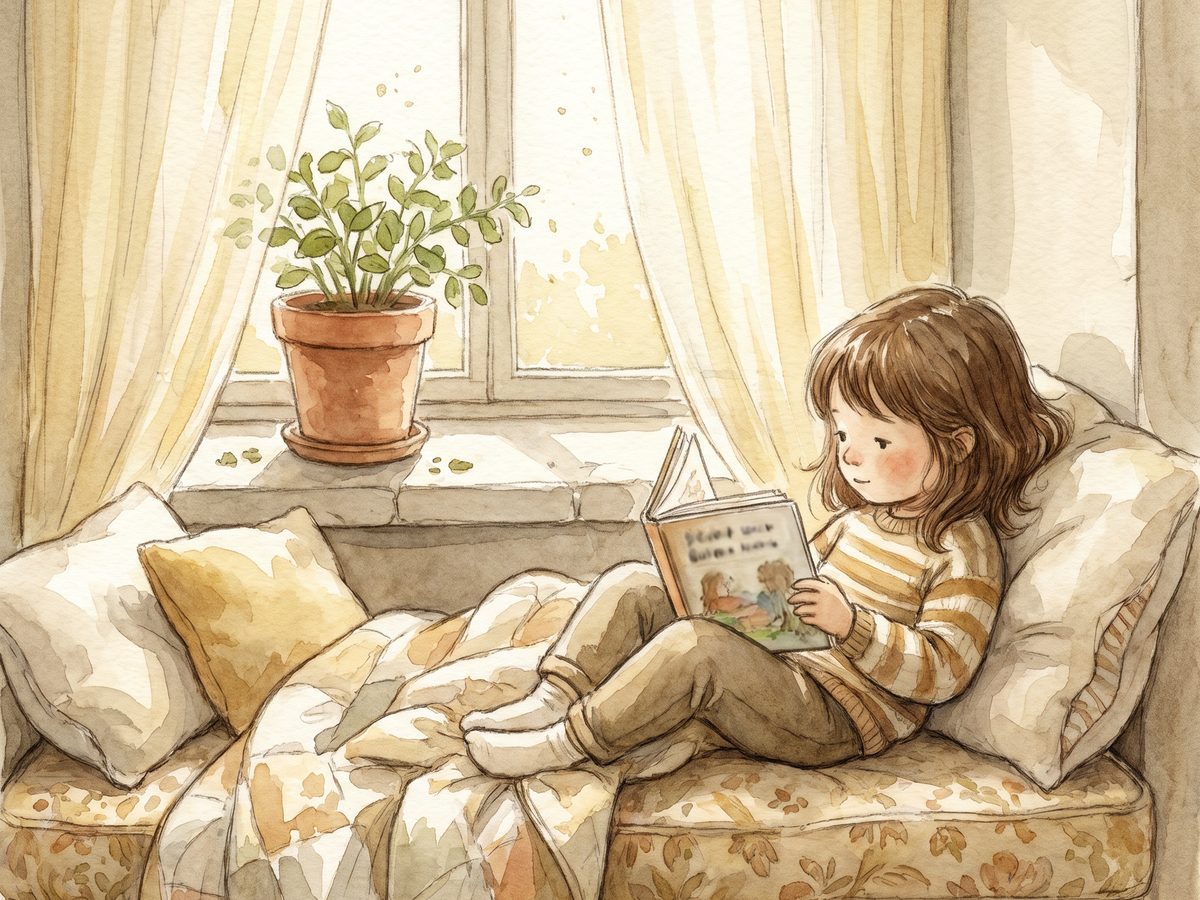
From kindergarten to high school: the shape changes, the feeling doesn't
A book for a five-year-old graduating from kindergarten looks different from one for an eighteen-year-old heading off to whatever comes next. The kindergarten book might be more playful, shorter, told in warmer and simpler language. The high school book might hold more voices, a longer arc, a little more reflection.
But the heart of both is the same. Someone grew. People watched. The book says: we noticed, and we want you to know we noticed. That lands at every age.
The characters in a graduation book often include the graduate themselves alongside the people who shaped their journey: a parent, a grandparent, a sibling, a teacher. You get to choose whose faces appear on the pages, and whose voices show up in the story. That's what makes the book feel like it belongs to this particular child, and no one else.
A gift that doesn't need to wait for the big ceremony
Some families give the book on graduation day itself, tucked in with the flowers. Others save it for a quiet moment the week after, when the ceremony is over and there's finally time to sit down and read together. Some give it at the end-of-year family dinner, and pass it around the table.
There's no wrong time. The right time is whenever it will be read slowly and out loud. If you'd like to see what a graduation gift book can look like, or get a sense of the options available, it's a good place to start gathering ideas.
The ceremony is one afternoon. The book is something they'll come back to. Maybe the summer after, when the newness of everything next is just beginning to feel real. Maybe years from now, when they want to remember who they were before they knew what they would become.
Haz tu propio libro
Empieza con un momento y las personas que hay en él. Nosotros escribimos e ilustramos el resto.
Crear un libro