A Story for the Dads and the Grandads
May 10, 2026 · 6 min read
Father's Day has a way of sneaking up on you. One morning in May you realize it's only a few weeks out, and the question lands again: what do you actually give the person who says he doesn't need anything? Cards feel thin. Another mug feels thin. What he has, in abundance, are things. What he doesn't have, written down and illustrated and kept somewhere safe, is the story of what it's been like to be loved by him.
That's the idea behind making him a book. Not a biography, not a grand tribute. Just the small, true things. The stuff your kids already know by heart, because they've lived it alongside him.
The Small Things Are the Real Things
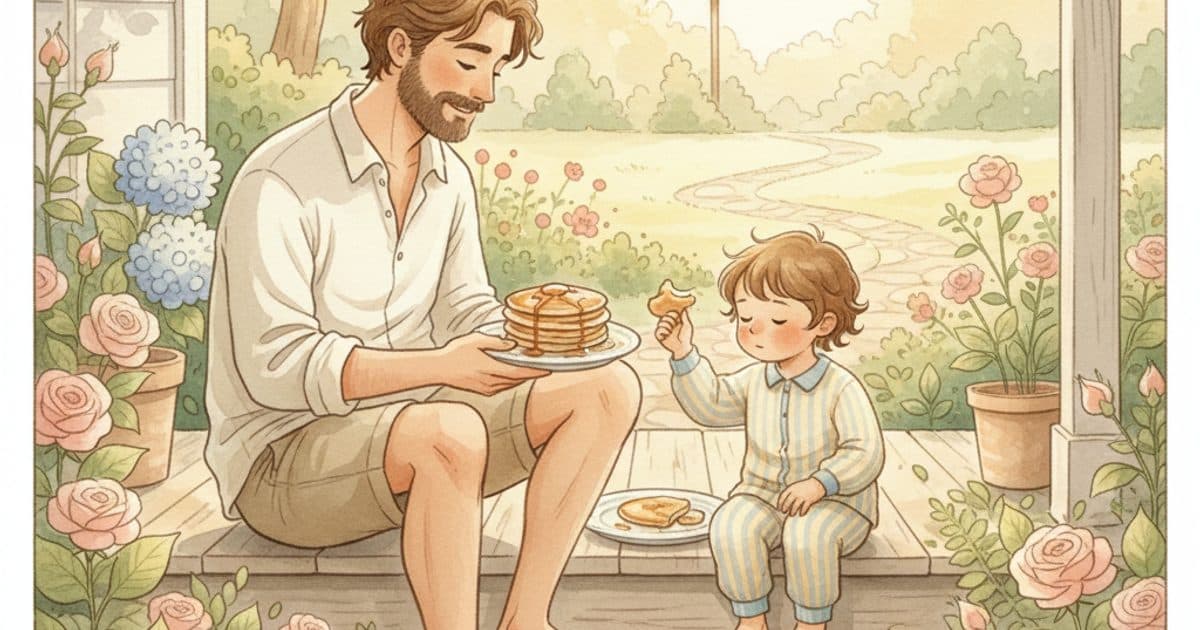
Think about what you'd say if someone asked you to describe him in a few sentences. Chances are you wouldn't reach for adjectives. You'd reach for moments. The way he flips pancakes without a spatula and somehow doesn't drop a single one. The route he always takes on Sunday drives, the one that goes past the old water tower even though it's ten minutes longer. The phrase he says every time you leave the house, so reliably that the kids finish it for him before he can.
Those things are not small. They are, in fact, the entire texture of a person. When you write them down and shape them into stories, they stop being background noise and become something a child can hold and return to. A book built from that kind of detail is worth so much more than a general declaration of love, because it proves the love. It shows that somebody was paying attention.
If you're not sure where to start, sit with the children for ten minutes and just ask them. Ask what he smells like after being outside. Ask what he always orders. Ask what he does when he's in a really good mood. Kids are shockingly specific, and their answers will give you almost everything you need.
Ideas to Get You Started
Sometimes the hardest part is the blank page. Here are some of the real, ordinary things families have built their books around. None of them are dramatic. All of them are true.
- The breakfast he makes on weekends, with all its particular quirks and the exact way he serves it
- The bedtime routine: the voices he does, the books he always picks, the way he always sneaks back in for one more check
- The car or the tool or the hobby that's entirely his, and what it looks like to a small person watching him do something he loves
- The saying he repeats so often it's become part of the family language
- The walk, the drive, the errand that's really just an excuse to spend time together
- The grandad's house: the smell of it, the sounds of it, the specific chair that belongs to him
- The thing he always says when someone gets hurt, or nervous, or sad
You don't need to use all of these. One or two of them, done with warmth and real detail, makes a book that feels complete. The goal isn't to capture everything. It's to capture something true, with enough specificity that he recognizes himself in it immediately.
Don't Forget the Grandads
Grandfathers occupy a particular kind of place in a child's life. There's often a little more stillness to it, a little more time. Grandad isn't rushing out the door for school drop-off. He's the one who shows you how to do something slowly, the right way. He's the one with the stories that go way back, before your parents were even born.
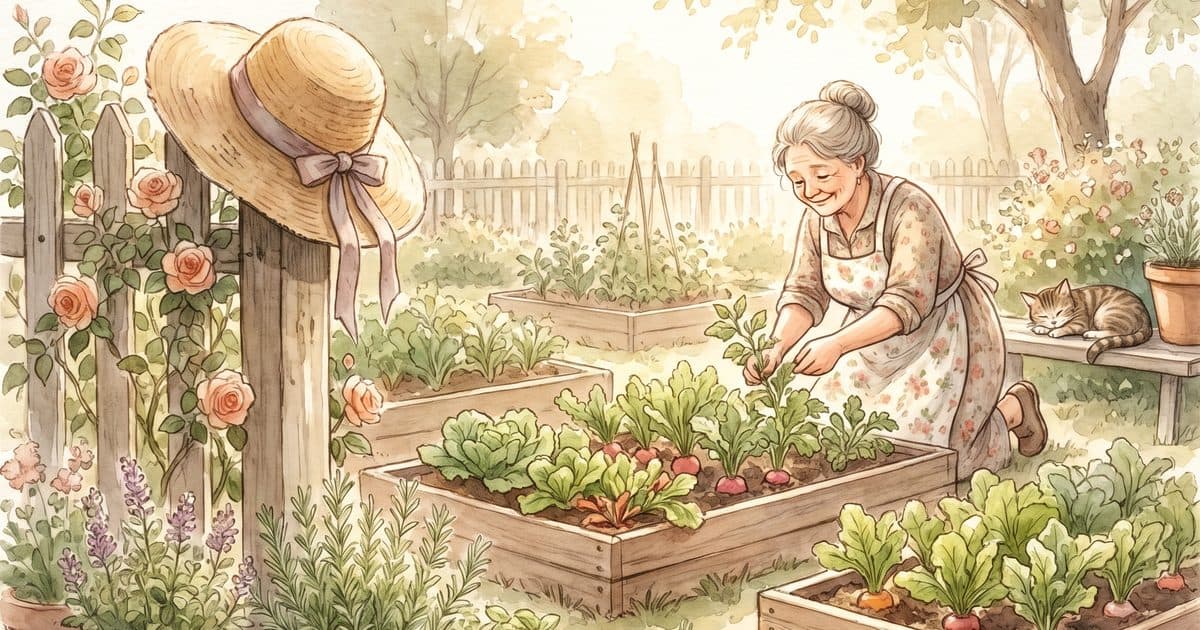
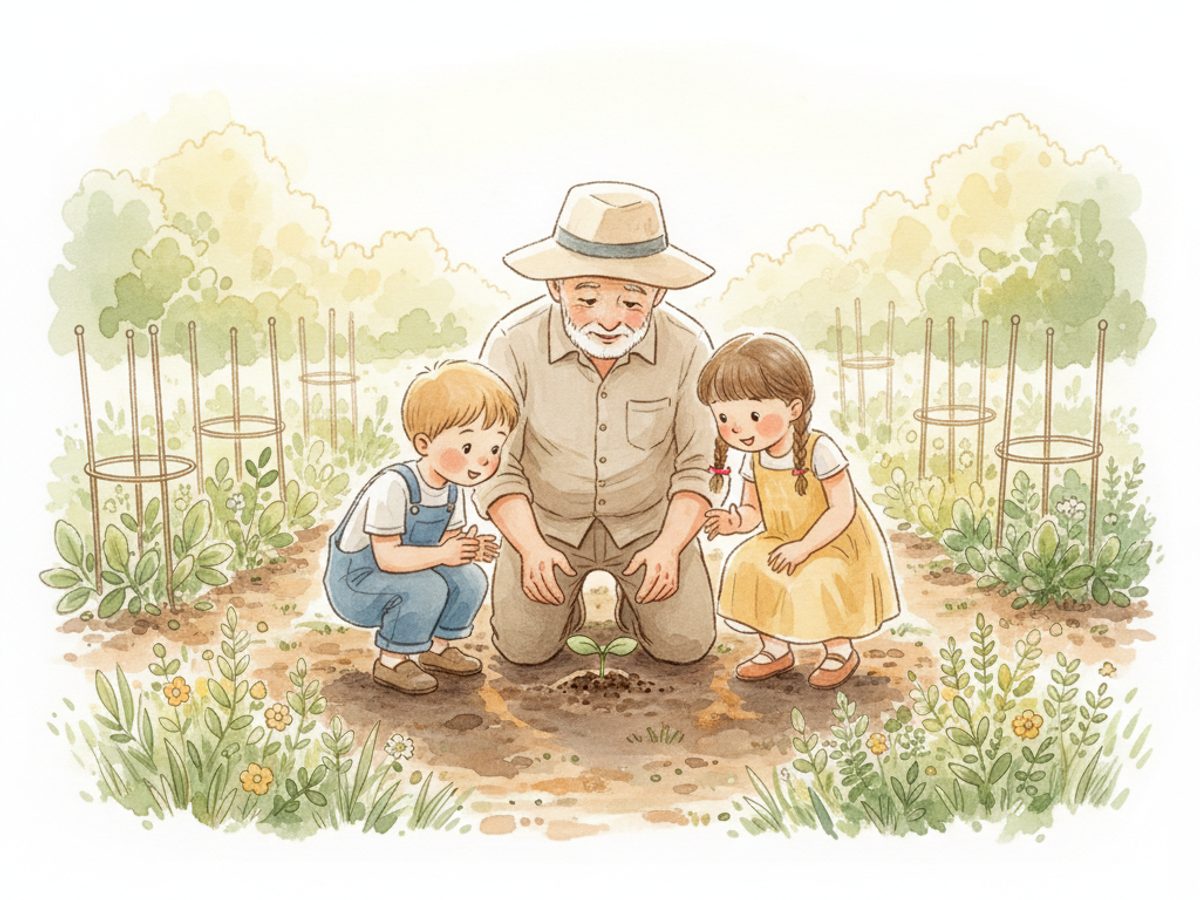
A book for a grandad can honor that different rhythm. It might center on his house, his garden, his workshop. It might be about one particular tradition, the fishing trip or the holiday meal or the walk to the corner store that's been happening for years. Grandchildren notice things about their grandparents that adults have stopped seeing, because familiarity softens the edges. Ask a six-year-old to describe grandad and you'll hear things that make you stop and smile.
If geography is part of your family's story, that belongs in a book too. The grandad who lives far away, whose visits feel like events. The one the kids FaceTime every Sunday. Distance doesn't make a relationship less real; sometimes it makes the specific rituals around it even more vivid and worth preserving.
The stories a child carries about their family usually aren't the big ones. They're the ones that happened quietly, again and again, until they became the shape of home.
Father Figures Belong Here Too
Families are built in all kinds of ways. The person who shows up for a child every day, who teaches them things, who has a saying and a Sunday routine and a way of making the ordinary feel safe, that person deserves this kind of gift regardless of their title. Uncles, stepdads, family friends who became something closer. If there's someone in your child's life who fits the feeling of this, he belongs in a book.
When you build your characters, you're describing the people who actually matter to your family. That's the whole point. The cast of a book like this isn't limited to one shape of family; it's exactly whoever your family is. You can make a book that reflects that honestly and warmly, without any awkward workarounds.
How to Make It Feel Like Him
The secret to a great personalized book is specificity. Not "he loves the outdoors" but "he always knows which clouds mean rain." Not "she says he works hard" but "he comes home smelling like sawdust and always washes his hands before hugging anyone." The more particular the detail, the more the person receiving the book feels truly seen rather than generically celebrated.
When you see how it works, you'll find that building a book starts with describing the people in it. You're essentially writing a small character sketch of the people you love. That part is the fun part. You notice things you hadn't thought about in years, and the kids will absolutely surprise you with theirs.
If you want a sense of what the finished thing looks like, you can read a sample story before you start. It helps to see how the details you give translate into something a child can sit with on a lap and follow along with. The illustrations are warm and recognizable, the kind that make a kid point and say, "that's him."
This Year, Give Him the Story
Cards are gone by July. A book sticks around. It ends up on a shelf, gets pulled down at bedtime, gets carried to grandad's house on the next visit. The dad who says he doesn't want anything will sit with it quietly for longer than he expected. The grandad who doesn't make a fuss will probably read it more than once.
If you'd like to see what's possible, the Father's Day collection is a good place to start. You can explore options, get a feel for the format, and begin thinking about which small, specific, perfectly true thing you want to put at the center of his book. There's still time, and the right story is probably already sitting in your memory, waiting to be written down.
Make a Book of Your Own
Start with one moment and the people in it. We write and illustrate the rest.
Start a Book