Before the Baby Comes, the Big Kid Gets a Story
July 13, 2026 · 6 min read
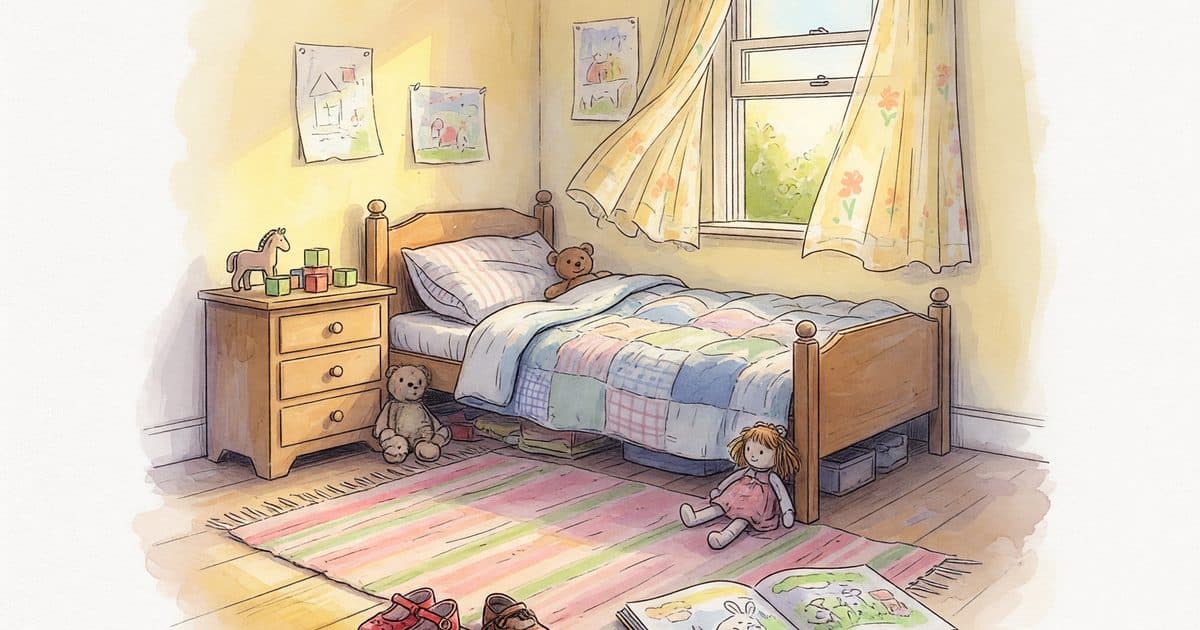
Somewhere in your house right now, a big change is quietly getting closer. Maybe there's a folded stack of tiny clothes on a chair, or a crib being wiped down, or a name that keeps getting said out loud to see how it sounds. And somewhere in the middle of all of it is your older child, watching, listening, and slowly working out what this all means for them.
A new baby is a huge idea for a small person. It arrives long before the baby does, in overheard sentences and shifting routines. One gentle way to meet that idea is to give it a shape your child already understands: a story, with them right in the center of it.
The idea arrives before the baby does
For grown-ups, a new sibling is a date on a calendar and a list of things to buy. For a young child, it's more like weather. They can feel it in the room without having the words for it. The house is busier. Voices are softer, then suddenly louder. A familiar lap is a little less available than it used to be.
This summer, while the days are long and slow, is a fine time to let your child sit with the idea instead of having it land all at once. Not with a big talk, necessarily. Sometimes it's easier to meet a big feeling sideways, through a character who looks a lot like them and is standing at the same edge of the same change.
A book can hold that idea steady. It doesn't rush. You can open it on a Tuesday and again on a Saturday, and it says the same calm thing both times. Your child gets to approach the whole thing at their own pace, one page at a time, and close it when they've had enough.
Make the big kid the hero
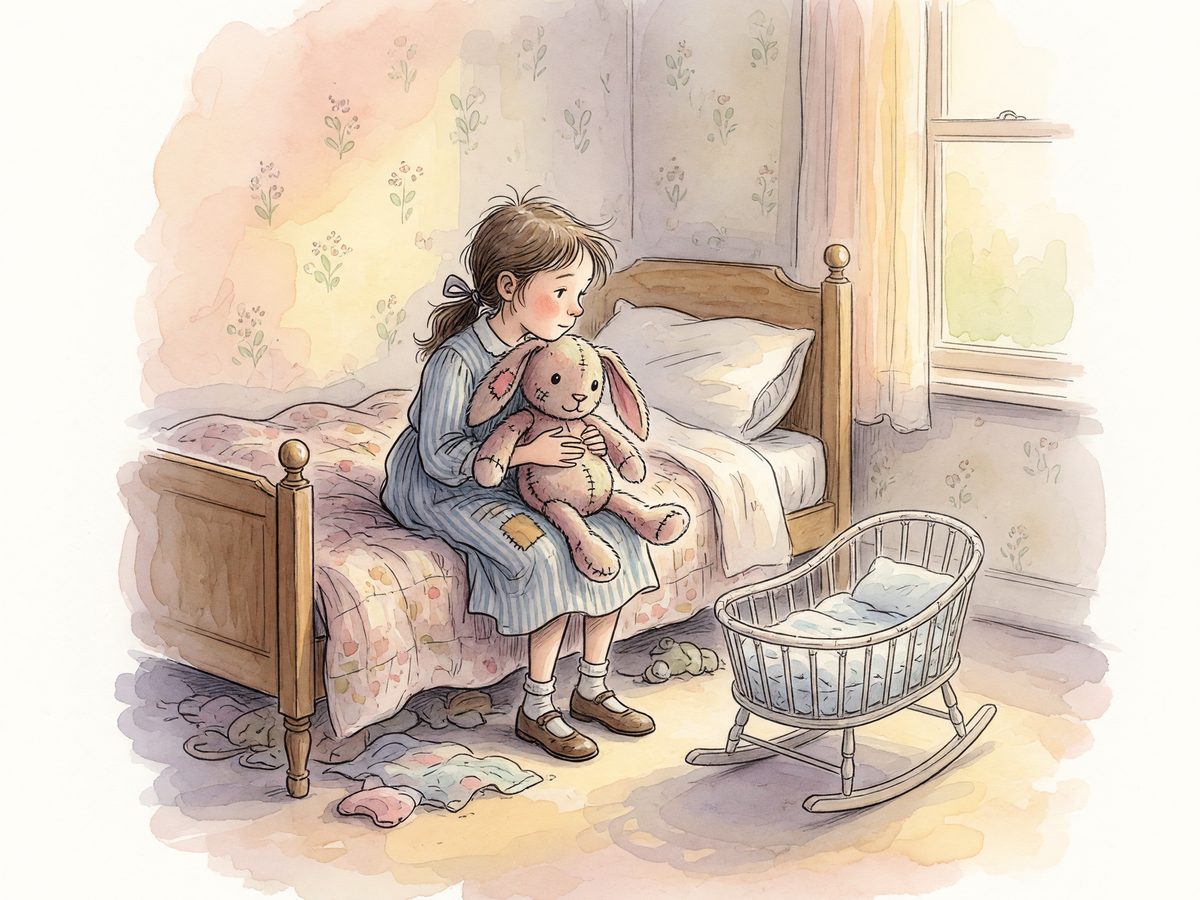
Here is the small shift that changes everything: the story isn't about the baby. It's about your older child, and the baby is the thing that happens to them. They are the one with the name on the cover. They are the one the story follows from morning to night.
When you build the characters for a book like this, you start with your big kid exactly as they are right now, freckles, favorite shirt, the stuffed animal that goes everywhere. The baby can be a small, quiet presence at the edges, arriving near the end rather than taking over the middle. The point of the book is the person who was here first.
That framing matters because it matches the truth. Your older child isn't being replaced. They're becoming something new: the one who was here first, the one who knows where things are, the one the baby will look up at. A story that says so, plainly and warmly, gives them a role to grow into.
Let the everyday details do the work
The most reassuring stories aren't the ones full of big promises. They're the ones full of small, true things. A child recognizes their own life on the page and relaxes, because the story clearly knows them.
When you're shaping a book like this, reach for the ordinary details you already have. These are the ones worth keeping:
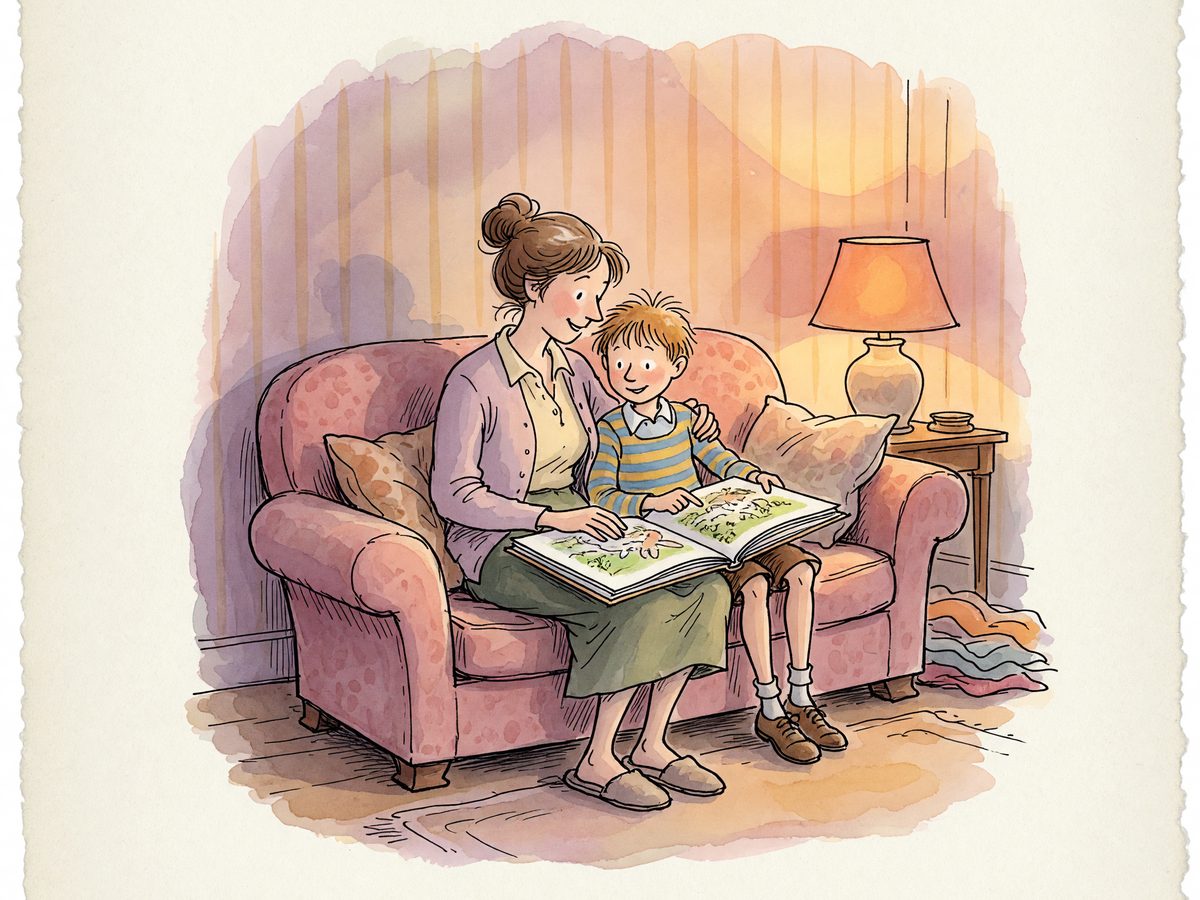
- The exact spot on the couch where you read together at night, and who sits where.
- The breakfast your child asks for on repeat, this summer especially.
- The name of the stuffed animal or blanket that comes everywhere.
- The small job your child is proud to do, watering a plant, carrying their own cup, finding their own shoes.
- The song someone hums, or the silly goodnight phrase your family says without thinking.
Woven into a story, these details tell your child that the things they love are staying. The couch is still the couch. The song is still the song. A baby is joining all of it, not erasing any of it. You can see how other families have used details like these when you browse a sample or two.
Two ways to make it, at your pace
There's no single right way to put a book like this together, and the summer gives you a little room to choose. If your hands are full, and with a baby coming they may well be, you can tell us who it's for and one moment that matters, and we'll write and illustrate the whole thing for you. You approve how your child looks first, then the book comes to you.
If you'd rather be inside every page, you can build the characters yourself, shape each little story, and edit every line until it sounds like your family and no one else's. Some parents find that the making becomes its own quiet ritual in the weeks before, a small project to return to on a hot afternoon.
Either way you end with the same thing: a keepsake of short illustrated stories, yours to keep, with a hardcover you can add if you'd like something to hold. For this particular occasion, there's a gentle starting point over on the new sibling page if you want a nudge in the right direction.
A book to read on both sides of the day
The nice thing about a book made now is that it keeps working after the baby arrives. Before, it's a way to introduce the idea. After, it's a familiar thing in a suddenly unfamiliar week, a page your child already knows in a house that feels new.
You might read it in the hospital, or on the first strange night home, or on an ordinary morning weeks later when everyone is finding their footing. It becomes a small fixed point, the same story in the same voice, saying that your big kid is still exactly who they were.
The story was here before the baby was, and it's still about you.
Later, when the baby is not so new, the book turns into a record of a moment your family passed through. It holds the summer you spent waiting, the shoes that were the biggest in the house, the child who was about to become a big sibling and didn't quite know it yet.
Start with one small moment
You don't need the whole story worked out to begin. You just need one true moment: your child watering the tomatoes, or naming the baby's toes in advance, or asking a question at bedtime that you didn't expect. Start there, and the rest tends to follow.
When you're ready, you can begin a book whenever the moment feels right. There's no rush. The idea is already in your house, gathering slowly, waiting for someone to give it a shape your child can hold in their two small hands.
Make a Book of Your Own
Start with one moment and the people in it. We write and illustrate the rest.
Start a Book